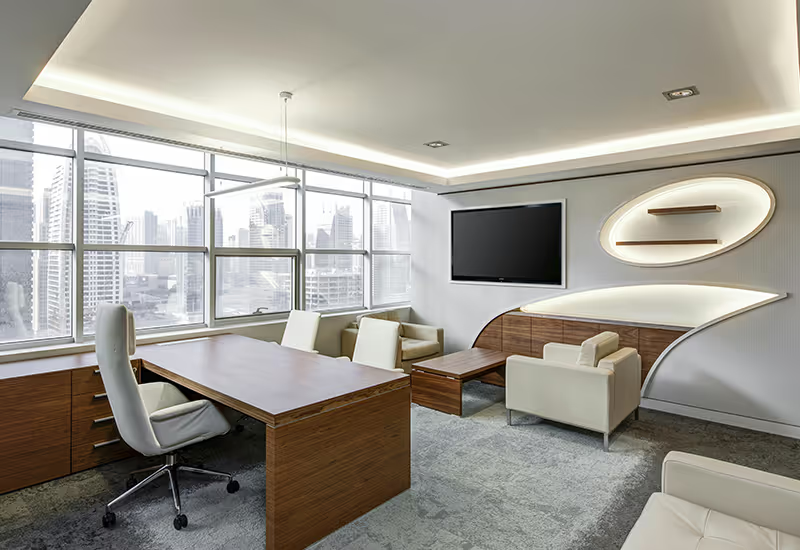
Perfect for statement pieces such as dining tables, headboards, and shelving. Its natural elegance adds sophistication to both modern and traditional designs.
When people start a custom furniture project, they usually focus on color and style first. In reality, the wood you choose decides durability, maintenance, and long-term value. In Kovilpatti and nearby regions, humidity and heat variation can affect wood movement, so material selection should be practical, not only aesthetic. If your carpenter suggests options, always ask how each material performs after three to five years of everyday use.
Hardwood choices such as teak and oak are popular for dining tables, wardrobes, and premium bed frames because they offer better load strength and stability. Teak has natural oil content that helps in humid zones, while oak gives a strong grain and premium look. For mid-budget homes, rubberwood and engineered combinations can also work well if workmanship and edge protection are handled correctly. A smart design often uses mixed materials based on function instead of one board type for every part.
For example, bookshelf shelves need strength against bending, drawer bases need balanced weight, and wardrobe shutters need dimensional stability for smooth alignment. Matching material to use-case is one of the biggest signs of professional carpentry planning. This approach controls budget and avoids premature repairs.
Good furniture is not only front appearance. Internal structure, joinery quality, and installation accuracy matter equally. Dovetail and mortise-type joints usually outlast basic screw-only joints in high-use furniture. Back panel fixing is another crucial factor: if the back is weak or loosely fixed, the unit can rack and lose shape over time. Always inspect corners, drawer rails, and shutter alignment before final handover.
Depth planning is frequently ignored. Oversized deep shelves look attractive initially but become difficult to organize and can sag under load. Proper shelf depth should be based on actual object size, whether books, utensils, decor, or folded clothes. Request a simple drawing from your carpenter and review all dimensions before production starts. Early correction saves both money and time.
Hardware quality also makes a huge difference. Soft-close hinges, reliable channels, and rust-resistant fasteners improve daily comfort and reduce service issues. Cheap hardware often fails long before the wood itself, which leads to avoidable replacement costs.
Finish is the protective layer that keeps furniture looking fresh. PU finish gives a premium smooth surface and better scratch resistance. Melamine is a practical choice for moderate budgets and frequent-use furniture. Natural oil finishes offer a warm handcrafted appearance, but they need periodic maintenance. The right finish depends on where furniture is placed, how often it is used, and how much sunlight it receives.
For dining tables and work desks, stain and scratch resistance should be prioritized over high gloss. Wardrobes and wall units may benefit from matte or satin finishes because they hide fingerprints better and maintain a clean look. Always approve finish shades using sample boards under your room lighting; showroom lighting can be misleading.
Maintenance matters as much as finish choice. Use a dry microfiber cloth, wipe spills quickly, avoid harsh cleaners, and use coasters for hot utensils. These simple habits increase finish life and preserve the premium look for years.
The lowest quote is not always the best value. Compare quotations item by item: board type, thickness, laminate/veneer type, hardware brand, and polish method. If a quote is vague, hidden costs may appear at installation stage. A clear estimate with technical details protects both homeowner and carpenter from misunderstandings.
One useful strategy is phase-based execution. Complete high-utility furniture first, such as wardrobes, study tables, and kitchen storage. Add decorative units later. This keeps core quality high while allowing better budget control. If possible, visit at least one completed local project before finalizing the team. Real-world inspection shows workmanship quality much better than catalog photos.
Clear communication prevents most project delays and rework. Share reference images, but also explain practical needs like storage volume, cleaning preferences, and expected load. Tell your carpenter which units will be used heavily every day and which are mostly decorative. This helps prioritize structural strength where it matters most.
Ask for a written scope that includes material brand, thickness, hardware model, and finishing method. Confirm delivery timeline with checkpoints: design freeze, material approval, fabrication start, site installation, and handover. When decisions are documented, both quality and scheduling improve.
During installation, inspect one unit fully before allowing the entire batch. If you notice alignment or finish issues early, corrections can be made quickly. A structured review process protects your budget and ensures the final output matches expectations.
Before you sign off, check shutter gaps, drawer movement, edge finishing, and corner alignment. Confirm all promised hardware is installed and request maintenance guidelines. With proper material selection, thoughtful design, and professional finishing, custom furniture can deliver comfort, beauty, and strong long-term value for your home.